

Sleep & Travel
How common is drowsy driving?
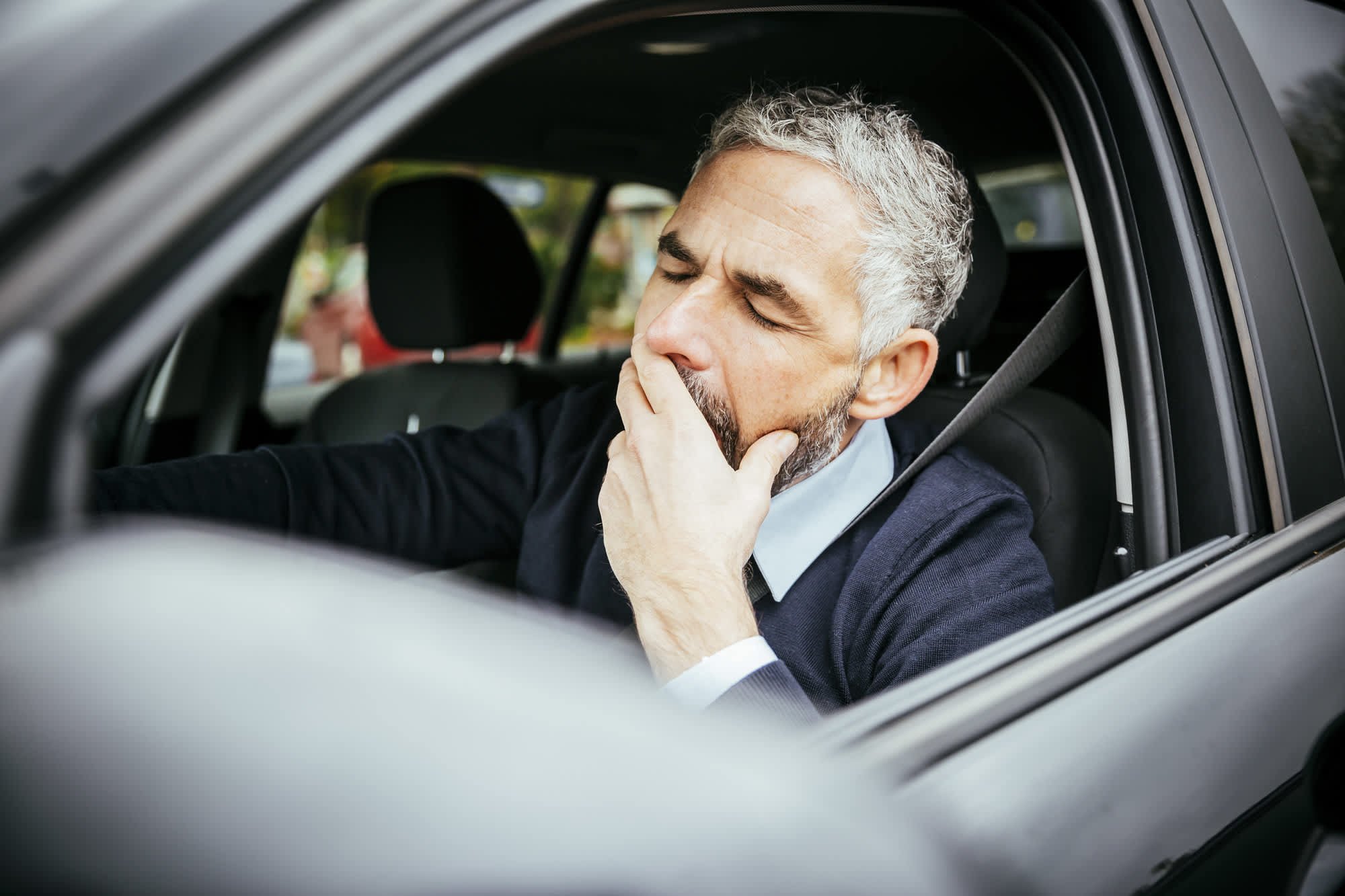
Operating a motor vehicle when sleepy is known as drowsy driving, and it can affect anyone who gets behind the wheel. Drowsy driving significantly increases the risk of accidents, leading to a troubling number of injuries and deaths every year.
Given the widespread sleeping problems among adults in the United States, greater awareness of drowsy driving can play an important role in public health. Knowing about the causes, consequences, and prevention of drowsy driving enables drivers to avoid unnecessary risks on the road.
While there is no exact measure of drowsy driving, research indicates that it is disturbingly common. The National Sleep Foundation’s 2005 Sleep in America Poll found that 60% of adult drivers reported driving while drowsy in the past year. Survey data from the CDC indicated that one in every 25 adults had fallen asleep behind the wheel in the past month.
What Are the Dangers of Drowsy Driving?
Info sourced from The Sleep Foundation.
Drowsy driving significantly increases the risk of car accidents. Microsleeps are when a person dozes off for just a few seconds, and when they occur while driving, it’s easy for the car to run off the road or collide with another vehicle. The damage from these crashes increases when they occur at high speeds.
Drowsy driving is dangerous even if a person doesn’t actually fall asleep. Research shows that sleep deprivation leads to mental impairment that is similar to drunkenness with 24 hours of sleep deprivation roughly equating to a blood alcohol content (BAC) of 0.10%.
This impairment makes a person less attentive to their surroundings and more easily distracted. It slows their reaction time, making it harder to avoid dangers in the roadway. Insufficient sleep is also tied to worsened decision-making, which can lead to risk-taking behind the wheel.
What Causes Drowsy Driving?

Sleep Deprivation
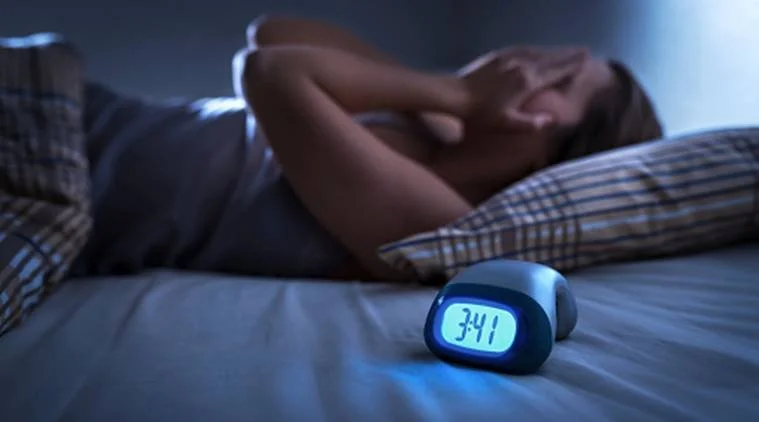
Lack of sleep is a leading cause of excessive daytime sleepiness, which can induce microsleeps or other dangerous driving behavior. Adults should get between seven and nine hours of sleep each night, but a significant number of adults routinely fail to get this recommended amount of sleep.
Sleep Disorders
Many sleep disorders, such as obstructive sleep apnea, cause a person’s sleep to be restricted, interrupted, and less restorative. Many sleep disorders go undiagnosed and, when left untreated, can cause daytime drowsiness.
Time of Day
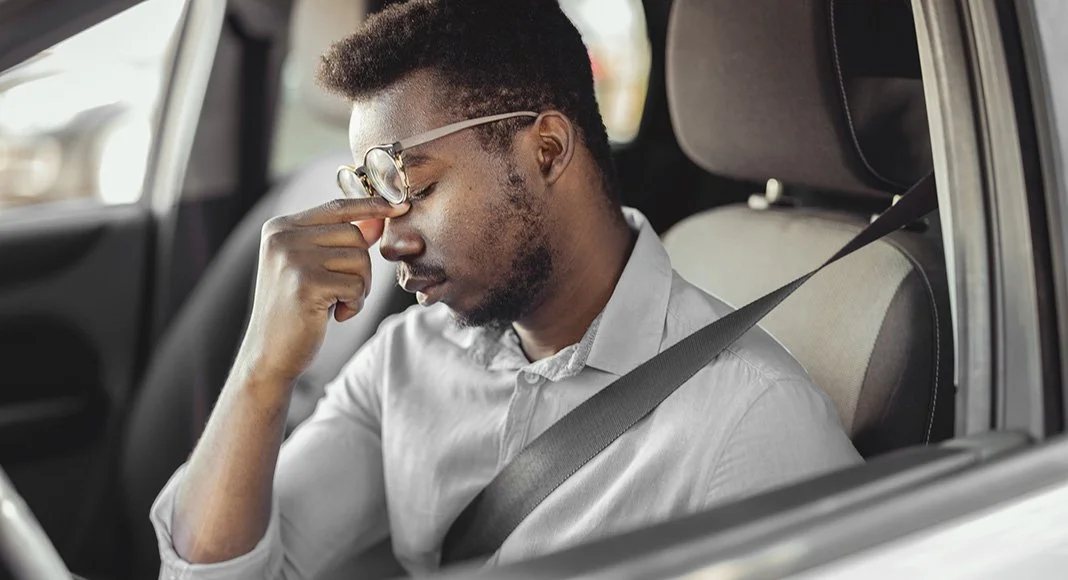
Auto accidents from drowsy driving occur most frequently between midnight and six a.m. or in the mid-afternoon, which are two times when sleepiness peaks. Certain people are at higher risk of car crashes related to drowsy driving, including: People who drive for a living such as long-haul truckers or bus drivers. People who work long hours, irregular shifts, or night shifts.
Info sourced from The Sleep Foundation.
What Are Signs That You Should Stop Driving To Rest?
Info sourced from The Sleep Foundation.
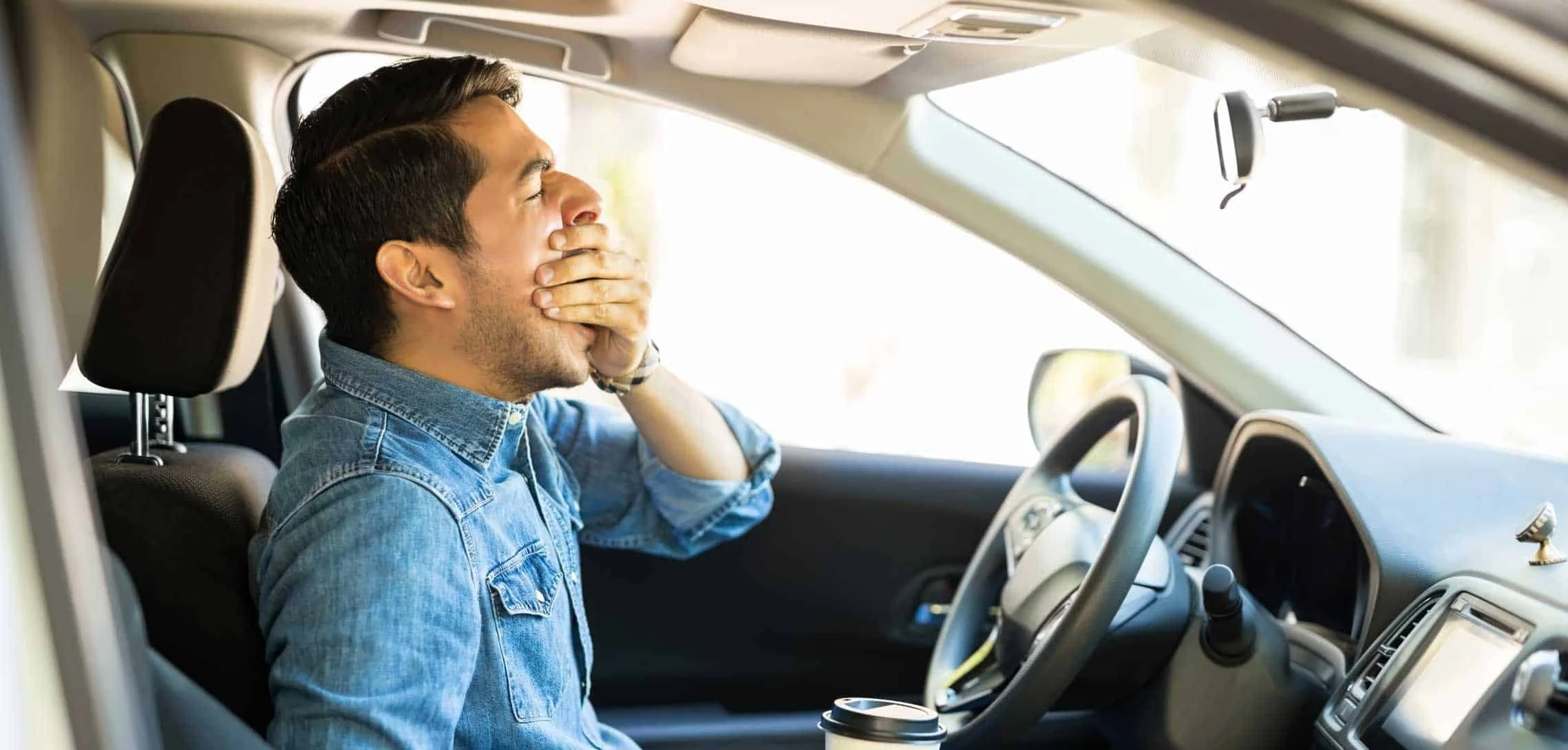
If you notice any of the following signs of drowsy driving, you should look for the next available opportunity to stop and rest:
Frequent yawning
Feelings of dozing off
Tired eyes, droopy eyes, or an increase in blinking
Drifting into other lanes or hitting “rumble strips” on the road
Inability to remember the last few miles
Missing a road sign or exit
Following other cars too closely
Difficulty maintaining proper speed
Take these signs seriously; they are a warning that you are drowsy and at risk if you continue driving. Exit or pull off the road and rest until you are not feeling sleepy.

REST is the KEY!
All the content sited can be found on the The Sleep Foundation website. Their site features a highly qualified team made up of physicians, psychologists, academic researchers, and other sleep experts with decades of experience in sleep science and health fields. Their knowledge and insights about sleep science and human health ensure every article and guide on their site reflects the latest data, findings, and trends.
Micro Sleep is currently seeking organizations who share our passion and commitment to pushing the boundaries of what sleep on the go can be through technology. We’ve tapped into something truly extraordinary that can easily be celebrated and utilized because everyone has experienced sleep deprivation at one time or another. We’re eager and ready to prove that users will believe in our company and our mission.
Micro Sleep Technologies Inc.