

Sleep & Students
Sleep deprivation among college students.
The college experience is of great value in providing emerging adults with a structured environment in which they can gain the knowledge, skills, and independence to chart their own path, become successfully employed, and contribute to society. However, this experience comes at great cost given rising tuition fees and ballooning student debt, and thus, it is vital that the college years be as efficacious as possible. A potential obstacle to maximizing success in college is the high prevalence of daytime sleepiness, sleep deprivation, and irregular sleep schedules among college students.
Daytime sleepiness, sleep deprivation, and irregular sleep schedules are highly prevalent among college students, as 50% report daytime sleepiness and 70% attain insufficient sleep. The consequences of sleep deprivation and daytime sleepiness are especially problematic to college students and can result in lower grade point averages, increased risk of academic failure, compromised learning, impaired mood, and increased risk of motor vehicle accidents.
Sleep deprivation and sleepiness are caused by a host of reasons and have numerous negative consequences. In the literature, sleep deprivation is often termed either acute sleep deprivation or chronic partial sleep deprivation. Colloquially for students, acute sleep deprivation is termed “pulling an all-nighter”, meaning that a person stays up for 24 hours or longer. More typically, sleep deprivation consists of chronic partial sleep deprivation, where a student obtains some, but not adequate sleep.
Factors that may contribute to students sleep quality and deprivation at school.

Info sourced from The Sleep Foundation.
Alcohol
Approximately four out of five college students drink alcohol, with nearly 40% of men and women reporting “binge drinking” at least 4–5 drinks in a row within the last 14 days. Alcohol shortens sleep latency, but then promotes fragmented sleep in the latter half of the night.
Stimulants
Use of either prescribed or nonprescribed stimulants is a growing problem in young adults. The most commonly reported reason is to “stay awake to study” or increase concentration. Students may utilize these drugs more than age-matched non-students. A survey at 119 colleges and universities across the US found a 6.9% lifetime prevalence for the use of stimulants.
Technology
“Generation Y’ers” (adults aged 19–29 years old) are heavy users of technology prior to bed: 67% use cell phones, 43% music devices, 60% computers, and 18% video games. The majority (51%) report rarely getting a good night’s sleep and often wake unrefreshed. Computer use in the hour before bed is associated with less restful sleep, higher Epworth Sleepiness Scales, and drowsy driving.
Consequences of sleep deprivation

Driving
One of the most concerning consequences of sleep deprivation and sleepiness is drowsy driving. In the 2011 Sleep in America Poll, 66% of young adults reported drowsy driving. Among 1,039 undergraduate students, 16% reported falling asleep while driving and 2% had had a motor vehicle accident due to sleepiness.
Mood Effects
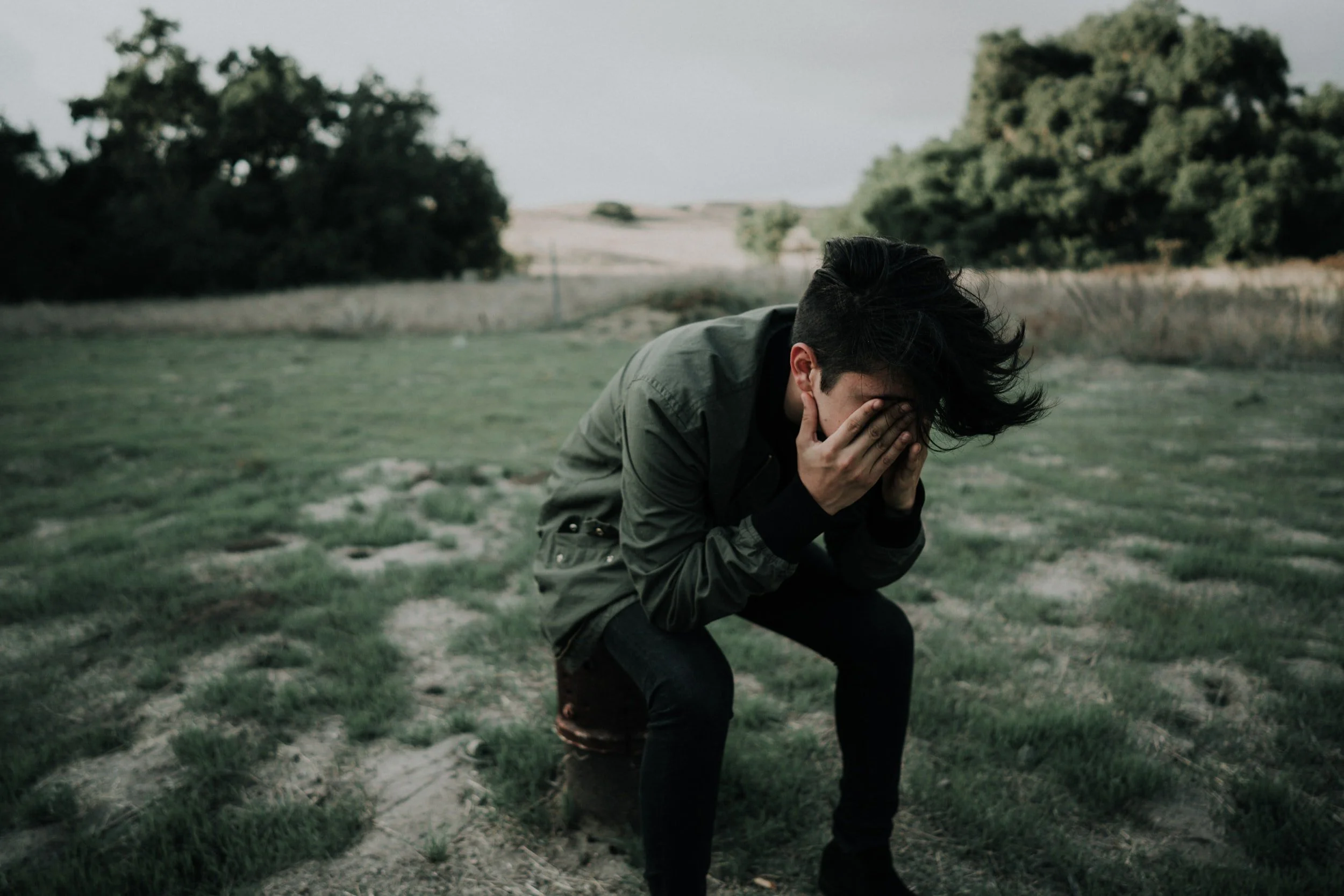
Depression and sleep are interrelated. A cardinal feature of depression is disturbed sleep. Depression is common during the college years: 14.8% of students report a diagnosis of depression and an estimated 11% have suicidal ideation. Insufficient sleep can increase depressive symptoms.
Grade Point Average (GPA)
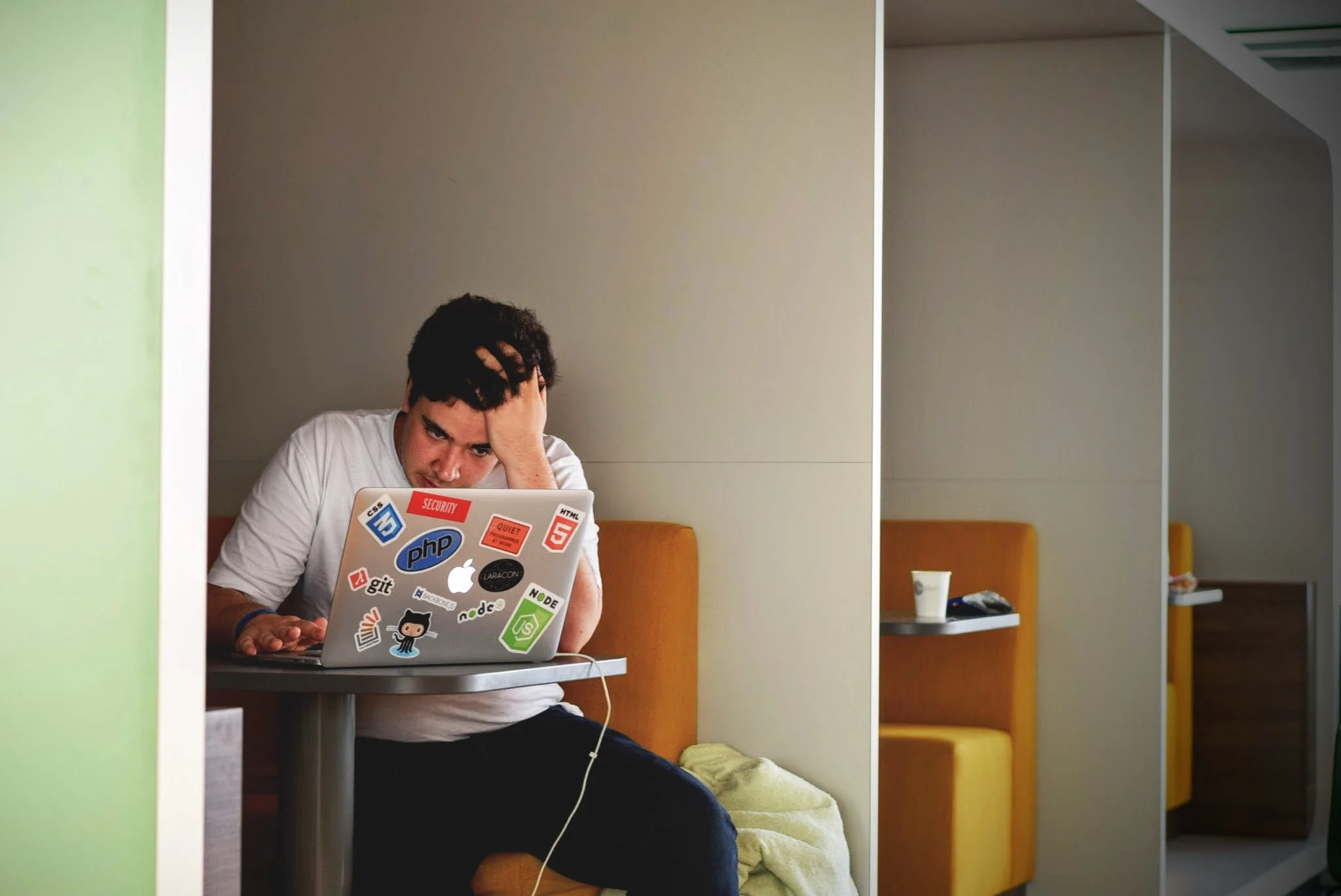
A student’s GPA is not just an indication of learning, but instead involves a complex interaction between the student and their environment. Irregular sleep schedules where theirs a prolonged absence of sleep like several all-night study sessions is known to affect learning and performance improvement.
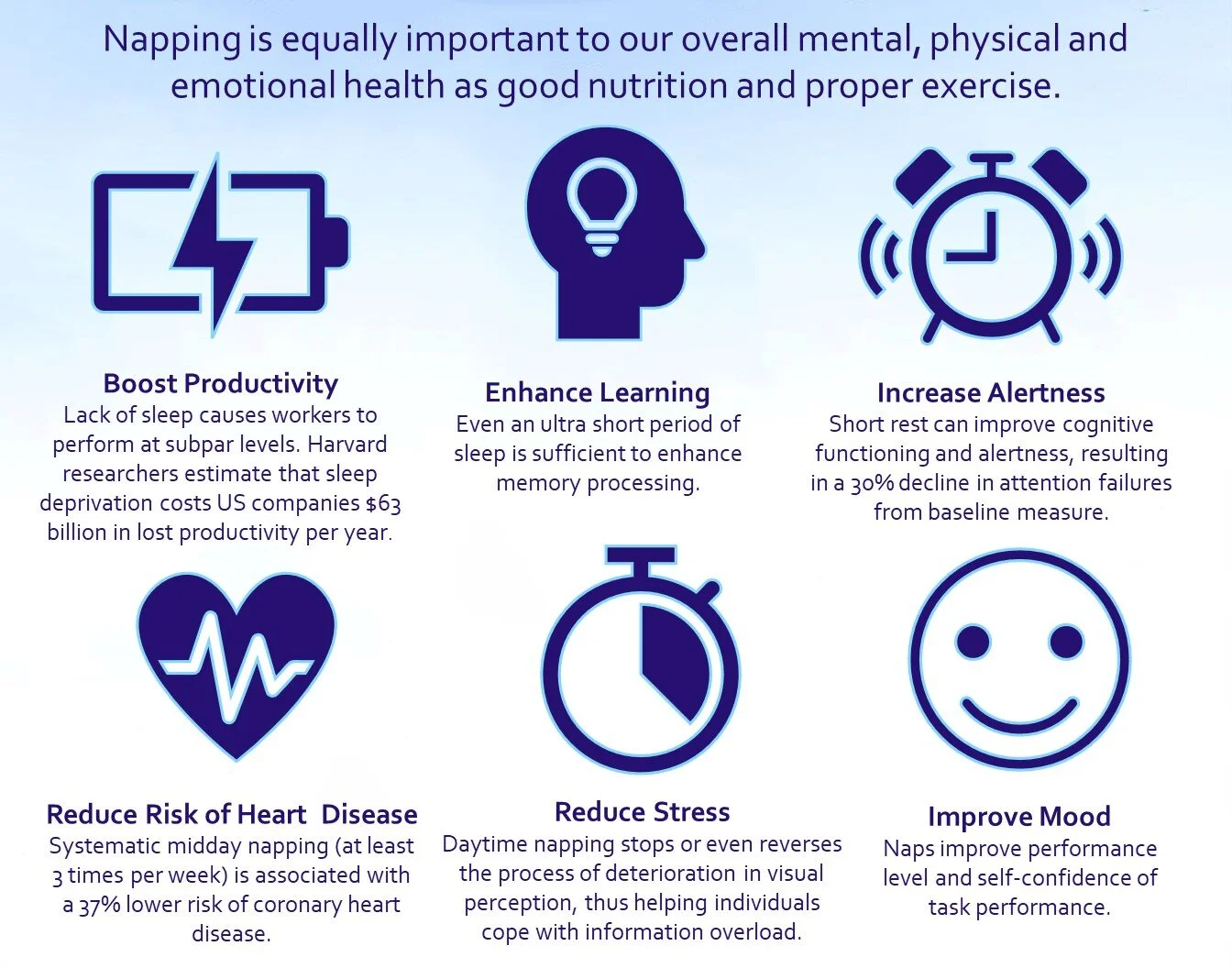
Studies have shown many productivity benefits associated with napping. Naps at school can help students get the most out of their day, both personally and academically.

REST is the KEY!
All the content sited can be found on the The Sleep Foundation website. Their site features a highly qualified team made up of physicians, psychologists, academic researchers, and other sleep experts with decades of experience in sleep science and health fields. Their knowledge and insights about sleep science and human health ensure every article and guide on their site reflects the latest data, findings, and trends.
Micro Sleep is currently seeking organizations who share our passion and commitment to pushing the boundaries of what sleep on the go can be through technology. We’ve tapped into something truly extraordinary that can easily be celebrated and utilized because everyone has experienced sleep deprivation at one time or another. We’re eager and ready to prove that users will believe in our company and our mission.
Micro Sleep Technologies Inc.